Are you worried about storing sensitive items like electronics, furniture, or family heirlooms? Climate-controlled storage offers the perfect solution to protect your belongings from extreme temperatures and humidity fluctuations. This comprehensive guide explains everything you need to know about climate-controlled storage units and why they’re essential for preserving your valuable items.
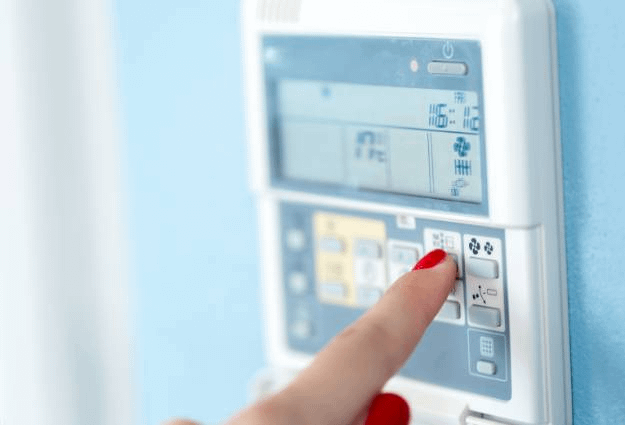
Climate control technology maintains consistent temperature and humidity levels year-round, ensuring your belongings stay in pristine condition regardless of outside weather conditions.
Key Takeaways
- Climate-controlled storage units maintain consistent temperature (usually 55-85°F) and relative humidity levels (typically 30-50%) to protect sensitive belongings.
- These units prevent damage from extreme temperatures, high humidity, and humidity fluctuations that can warp wood, crack plastic, and cause mold and mildew growth.
- Items like musical instruments, antiques, electronics, documents, fabrics, and family heirlooms benefit significantly from climate control protection.
- While climate-controlled units cost more than standard storage, they provide essential protection that can save thousands in replacement value for delicate items.
- Dell RV & Mini Storage offers secure, climate-controlled facilities designed to accommodate various storage needs while protecting your belongings from environmental elements.
What is Climate Controlled Storage?
Climate-controlled storage refers to storage units equipped with heating, ventilation, and air conditioning systems that regulate both temperature and humidity. Unlike standard self-storage units that are subject to outside weather conditions, climate-controlled units maintain a consistent environment regardless of whether it’s hot summer heat or cold winter temperatures.
These specialized storage facilities use advanced HVAC systems to ensure stable conditions. The climate control system continuously monitors and adjusts the air temperature and humidity levels, creating an optimal environment for storing temperature-sensitive and humidity-sensitive materials.
Most climate-controlled storage units maintain temperatures between 55-85°F and keep relative humidity levels between 30-50%. This controlled environment protects belongings from the damaging effects of extreme temperatures and prevents the growth of mold and mildew that can destroy stored items.
Benefits of Climate-Controlled Storage Units
Temperature Regulation
Temperature fluctuations can cause significant damage to many materials. Wood furniture can expand and contract, leading to cracks and warping. Plastic items may become brittle in cold conditions or melt in high temperatures. Climate-controlled units eliminate these risks by maintaining steady temperatures year-round.
Electronics and computers are particularly vulnerable to temperature extremes. Heat can damage sensitive components, while cold can cause condensation when items are moved to warmer environments. Climate control ensures these valuable items remain protected.
Humidity Control
High humidity creates ideal conditions for mold and mildew growth, which can permanently damage fabrics, paper documents, photographs, and other organic materials. Excessive moisture can also cause metal items to rust and corrode over time.
Conversely, low humidity can cause materials like wood and leather to crack and become brittle. Climate-controlled storage units maintain optimal humidity levels to prevent both moisture-related damage and overly dry conditions that can harm delicate items.
Protection from Environmental Elements
Climate-controlled facilities are typically located within buildings, providing an additional layer of protection from weather conditions. This indoor environment shields belongings from rain, snow, wind, and other outdoor elements that could potentially damage stored items.
The controlled environment also helps maintain cleaner air quality, reducing dust accumulation on stored belongings and providing better overall protection for your valuable possessions.
Items That Need Climate-Controlled Storage
Musical Instruments
Musical instruments, particularly those made of wood like pianos, guitars, and violins, are extremely sensitive to temperature and humidity changes. These delicate instruments can warp, crack, or lose their tuning stability when exposed to fluctuating conditions. Climate control is essential for preserving their sound quality and structural integrity.
Antiques and Family Heirlooms
Antiques and family heirlooms often contain materials that are particularly vulnerable to environmental damage. Old wood, fabric, and metal components can deteriorate rapidly when subjected to humidity fluctuations and temperature extremes. Climate-controlled storage helps preserve these irreplaceable items for future generations.
Electronics and Computers
Modern electronics contain sensitive components that can be damaged by temperature extremes and humidity. Computers, televisions, audio equipment, and other electronic devices benefit greatly from climate-controlled environments. The stable conditions prevent internal condensation and component degradation that can occur in standard storage units.
Important Documents and Records
Paper documents, photographs, books, and records are highly susceptible to humidity damage. High moisture levels can cause paper to warp, photos to stick together, and important documents to become illegible. Climate control ensures these valuable records remain in good condition for years to come.
Furniture and Furnishings
Wooden furniture can crack, warp, and split when exposed to extreme temperatures and humidity changes. Upholstered furniture and fabrics can develop mold and mildew in high-humidity conditions. Leather items can dry out and crack in low humidity or become damaged by excessive moisture.
Clothing and Linens
Fine clothing, wedding dresses, curtains, and quality linens require stable conditions to maintain their appearance and prevent damage. Climate-controlled storage prevents moisture-related issues like mold growth and helps preserve the integrity of delicate fabrics.
Collectibles and Artwork
Paintings, sculptures, DVDs, CDs, vinyl records, and other collectibles often have significant sentimental and monetary value. These items can be damaged by temperature swings and humidity changes. Climate control provides the stable environment needed to protect these valuable collections.
Cost Considerations for Climate-Controlled Units
Climate-controlled storage units generally cost 20-50% more than standard storage units. However, this additional cost is often minimal compared to the potential value of protecting your belongings from damage.
When considering the cost, think about the replacement value of items you plan to store. If you’re storing expensive electronics, antiques, musical instruments, or other valuable items, the extra cost for climate control is typically a wise investment.
Many storage facilities, including Dell RV & Mini Storage, offer various unit sizes to help you find an option that fits your budget while providing the protection your belongings need. The peace of mind knowing your items are secure and protected often makes the additional cost worthwhile.
Why Choose Dell RV & Mini Storage for Climate-Controlled Storage
Dell RV & Mini Storage provides state-of-the-art climate-controlled facilities designed to accommodate a wide range of storage needs. Our climate-controlled units feature:
- Advanced HVAC systems that maintain optimal temperature and humidity levels
- Secure building access with keypad entry systems
- Clean, well-maintained facilities with regular monitoring
- Various unit sizes to accommodate different storage requirements
- Convenient access hours for renters
- Professional staff to assist with your storage needs
Located in a convenient location, our facilities provide easy access while ensuring your belongings remain protected in a controlled environment. We understand the importance of preserving valuable items and have designed our climate-controlled storage space to provide the highest level of protection.
Tips for Using Climate-Controlled Storage
Prepare Items Properly
Clean all items thoroughly before storing to prevent attracting pests and ensure they remain in good condition. Allow items to reach room temperature before placing them in the climate-controlled unit to prevent condensation issues.
Use Appropriate Containers
Choose storage containers that allow air circulation while protecting contents from dust. Avoid plastic bags for long-term storage of fabrics and paper items, as they can trap moisture.
Review Unit Conditions Regularly
Even in climate-controlled units, it’s important to visit periodically to check on your belongings and ensure the storage conditions remain optimal. This allows you to address any potential issues before they become serious problems.
Organize for Easy Access
Arrange items in your unit so you can easily access frequently needed belongings without disturbing other stored items. This reduces the time the unit is open and helps maintain stable climate conditions.
Conclusion
Climate-controlled storage is an essential investment for protecting valuable, sensitive, and irreplaceable belongings. While these units may cost more than standard storage options, they provide crucial protection against damage from temperature extremes, humidity fluctuations, and other environmental factors.
Whether you’re storing musical instruments, electronics, antiques, important documents, or other delicate items, climate-controlled storage units offer the stable environment needed to preserve your belongings for years to come. With proper facilities like those offered by Dell RV & Mini Storage, you can have confidence that your valuable possessions are secure and protected.
FAQs
1. What temperature range do climate-controlled storage units maintain?
Climate-controlled storage units typically maintain temperatures between 55-85°F year-round. This consistent temperature range protects belongings from extreme heat and cold that can cause damage to sensitive materials like wood, plastic, electronics, and fabrics.
2. How do climate-controlled units prevent mold and mildew growth?
Climate-controlled units control both temperature and relative humidity levels, typically keeping humidity between 30-50%. This controlled environment prevents the high moisture conditions that allow mold and mildew to grow on stored belongings, protecting items like clothing, documents, and furniture.
3. Are climate-controlled storage units worth the extra cost?
Yes, climate-controlled units are worth the additional cost when storing valuable or sensitive items. The protection they provide against temperature and humidity damage can save thousands of dollars in replacement costs for items like musical instruments, electronics, antiques, and family heirlooms.
4. What’s the difference between climate-controlled and regular storage units?
Regular storage units are subject to outside weather conditions and temperature fluctuations, while climate-controlled units maintain consistent temperature and humidity levels year-round. Climate-controlled units are typically located indoors within buildings, providing additional protection from environmental elements.
5. Can I store wine and beverages in climate-controlled storage?
Yes, climate-controlled storage is excellent for wine storage and other beverages that are sensitive to temperature changes. The stable conditions help preserve the quality and prevent damage that can occur from heat exposure or temperature fluctuations.


