Storing your RV for extended periods can lead to a common but serious issue: mold growth. At Dell RV & Mini Storage, we understand how devastating mold damage can be to your recreational vehicle. Proper prevention techniques not only protect your investment but also ensure your RV remains a healthy environment when you’re ready to hit the road again. This comprehensive guide covers everything you need to know about keeping mold at bay while your RV sits in storage units.
TLDR: Preventing Mold in Your Stored RV
- Clean and dry your RV thoroughly before storage, checking carefully for leaks.
- Use moisture absorbers, dehumidifiers, and proper ventilation to control humidity.
- Create airflow by strategically leaving interior doors, vents, and cabinets slightly open.
- Perform regular inspections and refresh moisture control products as needed.
- Consider professional storage facilities for additional protection and peace of mind.
Ready to Protect Your RV from Mold?
Don’t let mold ruin your next adventure. Proper storage is the key to maintaining your RV’s condition and value. At Dell RV & Mini Storage, we offer specialized RV storage designed to help prevent moisture-related problems. Our secure facility provides peace of mind while you’re away from your recreational vehicle.
Have questions about how to best protect your RV from mold during storage? Contact our team today to learn more about our storage solutions or to reserve your spot. Your RV deserves the best protection available between your adventures on the open road!
Understanding Mold Growth in Stored RVs
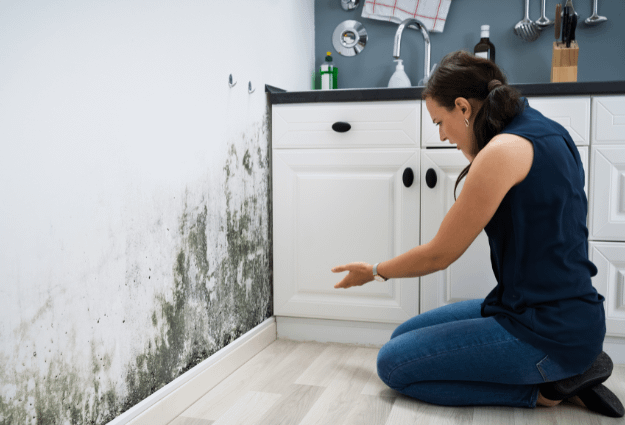
Mold thrives in environments where three factors converge: moisture, warmth, and organic material. Unfortunately, RVs provide all three in abundance when left untended. Mold spores are microscopic organisms that float in the air constantly. When these spores land on damp surfaces inside your RV, they begin to multiply rapidly.
The closed environment of a stored RV creates perfect conditions for excess moisture to accumulate through condensation, small leaks, or humidity. Common problem areas include bathrooms, kitchens, windows, and anywhere water systems run. Fabrics, wood, and other organic materials provide the food source mold needs to spread.
Left unchecked, mold and mildew can damage surfaces, create unpleasant odors, and potentially lead to respiratory issues for you and your passengers. Prevention is significantly easier than remediation, which is why proper storage techniques are essential for any RV storage options.
Preparing Your RV Before Storage
Thorough Cleaning and Drying
Before long periods of storage, give your RV a comprehensive cleaning:
- Wipe down all surfaces, paying special attention to the bathroom, kitchen, and windows.
- Clean the refrigerator, leaving the door open slightly to prevent odors and mold.
- Vacuum carpets, upholstery, and mattresses thoroughly.
- Ensure everything is completely dry before closing up the RV.
Remember that even small amounts of moisture can lead to significant problems over time.
Checking for Leaks and Potential Water Entry Points
Water infiltration is a primary cause of mold in stored RVs:
- Inspect the roof for cracks or damaged seals, especially around vents and air conditioning units.
- Check window seals for any signs of deterioration.
- Look for water stains on walls, ceilings, and floors that might indicate existing leaks.
- Test plumbing connections for drips or moisture.
Addressing these issues before storage is critical for mold prevention methods to be effective.
Removing Moisture-Retaining Items
Some items naturally hold moisture and should be removed before storage:
- Towels, bedding, and cloth items
- Paper products
- Food items (even non-perishables can attract moisture)
- Plants
By removing these items, you’ll significantly reduce the potential for moisture accumulation inside your RV.
Essential Moisture Control Methods
Using Moisture Absorbers and Damp Rid Products
Moisture absorbers are essential tools in preventing mold. These products typically contain calcium chloride or similar substances that absorb moisture from the air:
- Place Damp Rid containers or similar products throughout your RV, focusing on bathrooms, closets, and under sinks.
- Consider using silica gel packets in smaller spaces like cabinets.
- Check product instructions for replacement timeframes—typically every 30-60 days.
These solutions actively reduce humidity levels, making the environment less hospitable to mold growth.
Dehumidifiers and Their Benefits
A dehumidifier can be an excellent investment for RV storage:
- Electric dehumidifiers are effective for RVs with power access during storage.
- Rechargeable dehumidifiers work well for shorter storage periods.
- Position the dehumidifier centrally with doors open to maximize effectiveness.
Maintaining low humidity is one of the most effective ways to prevent mold in your RV.
Proper Ventilation Techniques
Good airflow discourages mold by preventing moisture from settling:
- Install vent covers that allow airflow while keeping rain out.
- Consider using solar-powered vent fans for continuous air circulation.
- Ensure vents aren’t obstructed by storage items.
Proper ventilation helps ensure moisture doesn’t become trapped in any area of your RV.
Creating Proper Air Circulation in Your Stored RV
Utilizing Roof Vents Effectively
Roof vents play a crucial role in air circulation:
- Install vent covers that allow air to flow while keeping precipitation out.
- If possible, leave one or more vents slightly open during storage.
- Consider installing vent fans to actively move air through the RV.
This creates a natural pathway for humid air to escape rather than condense inside your vehicle.
Strategic Door and Window Positioning
While security is important, some strategic openings can help with airflow:
- Consider leaving interior doors open to allow air circulation throughout the RV.
- Use door props to keep cabinet doors slightly ajar.
- If storing in a secure facility, you might leave a window cracked with a rain guard installed.
At our secure storage options, many RV owners find a balance between security and ventilation needs.
Cabinet and Storage Space Ventilation
Enclosed spaces are particularly vulnerable to mold:
- Leave cabinet doors and drawers slightly open.
- Remove contents that might obstruct airflow.
- Place moisture absorbers in larger storage spaces.
These steps ensure that even the most enclosed areas receive adequate air circulation.
Regular Maintenance During Long-Term RV Storage
Inspection Schedule and Checklist
Regular checks are vital, especially for RVs in long-term storage:
- Visit your RV at least monthly if possible.
- Check all moisture absorbers and replace as needed.
- Look for signs of condensation on windows or surfaces.
- Inspect known problem areas for early signs of mold.
As an experienced storage facility, we often remind customers that regular visits are the best defense against storage problems.
Addressing Condensation Issues
Condensation can appear even with good preventive measures:
- Wipe down any moisture that has accumulated on windows or surfaces.
- Investigate the source of unexpected condensation.
- Consider adjusting your moisture control strategy if condensation persists.
Quick response to condensation prevents it from becoming a mold issue.
When to Refresh Moisture Control Products
Most moisture control products have a limited lifespan:
- Follow manufacturer recommendations for replacement schedules.
- Increase replacement frequency in especially humid environments.
- Consider keeping a log to track when products were last changed.
Staying vigilant with replacements ensures continuous protection.
Professional Storage Options for RV Mold Prevention
While these DIY methods are effective, professional storage facilities offer additional benefits:
- Covered or indoor storage reduces exposure to rain and humidity.
- Regular security checks may include basic RV condition monitoring.
- Power access may allow for the use of electric dehumidifiers or climate control.
- Proper drainage and surface conditions prevent ground moisture from affecting your RV.
When you reserve a storage unit specifically designed for RVs, you gain extra protection against the conditions that promote mold growth.
Frequently Asked Questions
What are the best moisture absorbers for RV storage?
Commercial products like Damp Rid, DryZone, and silica gel-based absorbers are highly effective. For larger RVs, you might need multiple absorbers to manage as much moisture as possible. Some RV owners prefer hanging packets in closets and cabinets, while placing container-style absorbers in larger spaces like bathrooms and kitchens.
How can I protect myself from respiratory issues caused by mold in RVs?
If you discover mold in your RV, wear protective gear including a mask, gloves, and eye protection before cleaning. For extensive mold problems, consider professional remediation. Regular cleaning and proper storage are the easiest way to avoid health concerns entirely. Remember that mold spores can cause significant respiratory problems, especially for those with existing conditions.
Should my RV be completely sealed during storage?
No, a completely sealed RV actually increases mold risk. Some airflow is beneficial, though you’ll want to prevent rain and pests from entering. Consider using specialized vent covers that allow air circulation while keeping precipitation out. This balance helps reduce condensation while maintaining security.
How do chemical packets work to prevent mold?
Chemical packets typically contain moisture-absorbing compounds like calcium chloride, silica gel, or activated charcoal. These materials absorb excess moisture from the air, reducing humidity levels below what mold requires to grow. Different products work better in different conditions, so you might want to try various options during different seasons.
How do I protect my RV during rain or summer storage periods?
During rainy or summer periods, increased humidity presents additional challenges. Ensure your RV roof and seals are in good repair to prevent leaks. Use a dehumidifier if electricity is available, or double up on moisture absorbers. Check your RV more frequently during these high-risk times, and consider using a heater on low settings occasionally (if safe and with supervision) to reduce condensation during damp periods.
How often should I inspect my camper for potential mold issues?
Inspect your RV at least monthly during storage periods, focusing on closets, cabinets, and other enclosed spaces where air might not circulate well. Look for unusual odors, discoloration on surfaces, or visible mold growth. Catching issues early makes them much easier to address and prevents damage to your camper’s materials and interior surfaces.


