Books are treasured possessions that can last for generations when properly cared for. Whether you’re a dedicated collector, moving to a new home, or simply need to free up space, knowing how to store books long term is essential to preserve their condition and value. With the right approach to storage, your beloved books can remain in excellent condition for years to come.
TLDR: Key Points for Storing Books Long Term
- Choose the right containers: Acid-free cardboard boxes or plastic bins with silica gel packets
- Control environmental conditions: Maintain consistent temperature and humidity levels
- Position books properly: Store upright with spines facing outward whenever possible
- Perform regular checks: Inspect stored books periodically for signs of damage or deterioration
Preserve Your Literary Collection with Dell RV & Mini Storage
Don’t leave your precious book collection to chance. At Dell RV & Mini Storage, our climate-controlled units provide the perfect environment to preserve your books for years to come. With 24/7 security, controlled temperature and humidity, and various unit sizes to accommodate collections of any size, we offer the ideal solution for long-term book storage.
Reserve your climate-controlled storage unit today and give your books the protection they deserve.
Why Proper Long-Term Book Storage Matters

Books are vulnerable to various environmental factors that can cause significant damage over time. Paper is particularly susceptible to moisture, which can lead to warping, mold growth, and deterioration. Exposure to direct sunlight can fade covers and break down paper fibers. Improper storage techniques might also result in bent pages, damaged spines, or pest infestations.
By implementing proper storage methods, you protect not only the physical form of your books but also their content and potentially their value. Collectors and readers alike understand that books are more than just items – they’re repositories of knowledge, art, and memories worth protecting.
Selecting the Right Storage Container for Your Books
Plastic Bins vs. Cardboard Boxes: Which is Better?
When choosing containers for book storage, you have two primary options: plastic bins or cardboard boxes. Each has its advantages for long term storage.
Plastic bins offer superior protection against moisture and are less likely to collapse under weight. They can effectively seal out environmental conditions that might damage books. However, plastic doesn’t “breathe” as well as cardboard, which could be problematic in environments with fluctuating humidity.
A cardboard box is more breathable and often less expensive. They’re easily available and come in various sizes. However, they’re vulnerable to moisture and can attract bugs if not properly treated or sealed.
“If you’re using cardboard, ensure it’s acid-free to prevent chemical damage to your books over time,” advises storage experts at Dell RV & Mini Storage.
The Importance of Size and Support
Whatever container you choose, size matters. Select storage boxes that offer adequate support for your books while not being so large that books shift inside during transport. When books are packed too loosely, they can lean and warp over time.
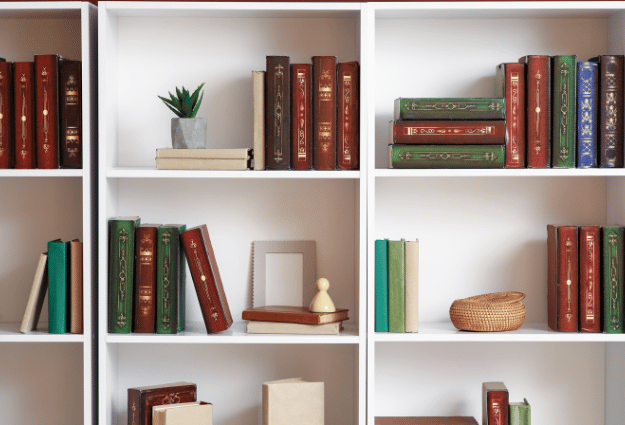
The depth of your container is important too. Books should ideally be stored upright with their spines facing outward (like on a shelf) to maintain their form and prevent warping. If books must be stacked, place larger, heavier books at the bottom to provide a stable base.
Creating the Ideal Environment for Long-Term Book Storage

Temperature and Humidity Control
The most critical environmental conditions for book preservation are temperature and humidity. Books store best in cool, dry places with consistent temperature. Extreme heat can damage paper and binding adhesives, while cold can make covers and pages brittle.
Humidity is possibly even more important to control. High humidity levels promote mold growth and can warp pages, while extremely dry conditions can make paper brittle. Ideally, maintain a relative humidity between 35-50% for optimal book preservation.
Climate-controlled storage units provide the perfect environment for valuable book collections, as they maintain stable temperature and humidity levels year-round.
Protection from Dust, Pests, and Moisture
Books are attractive to various pests, including silverfish and bookworms, which feed on paper, glue, and binding materials. To protect against these invaders, consider placing silica gel packets in your storage containers to absorb excess moisture. These small packets help maintain appropriate humidity levels inside sealed containers.
Dust can also damage books over time by getting between pages and potentially causing abrasion. Properly sealed containers will keep dust at bay. If your books will be exposed to potential water damage, place them on shelves elevated from the floor to protect them if water enters your storage space.
Preparing Books for Storage
Cleaning and Maintenance Before Storage
Before placing books in storage, take time to clean them properly:
- Gently dust books with a soft cloth
- Remove bookmarks, notes, or any paper items that could transfer acid to pages
- Check for any signs of mold or pests
- Allow books to air out if they’ve been in a damp environment
For particularly valuable books, consider individual acid-free paper covers to provide an extra layer of protection.
Proper Book Arrangement and Positioning
How you position your books within the storage container can significantly impact their condition:
- Store books upright with spines out, similar to shelf arrangement
- Don’t pack too tightly, as this can damage covers when removing books
- For oversized books that must be stored flat, stack no more than 2-3 books to prevent excessive pressure on the bottom books
- Never store books with their spine facing upward, as this can damage the binding
Using Self-Storage Facilities for Book Collections
Benefits of Climate-Controlled Storage Units
Secure storage facilities with climate control offer significant advantages for book storage. These units maintain consistent temperature and humidity levels regardless of outside weather conditions, which is crucial for long-term preservation.
Climate-controlled storage units prevent the extreme temperature fluctuations that can damage book bindings and pages. They also control humidity levels, preventing the moisture that leads to mold growth and warping.
Organizing Books in Your Storage Unit
When using a storage unit for your book collection:
- Use shelving units rather than stacking boxes on the floor
- Keep boxes or containers off the ground to avoid potential water damage
- Organize by size, with larger, heavier items on bottom shelves
- Create an inventory system so you can locate specific books
- Leave space for air circulation between stacked storage containers
Our various sizes of mini-storage units can accommodate collections of any size, from a few boxes to entire libraries.
Maintenance and Regular Checks
How Often to Check on Stored Books
Even with optimal storage conditions, it’s important to check on your books periodically. For books in climate-controlled storage, checking once or twice a year is usually sufficient. Books stored in areas with less environmental control may need more frequent inspection.
During these checks, open containers, inspect for any signs of moisture or pests, and allow books to air out briefly before resealing.
Signs of Damage to Look For
During your regular inspections, watch for these warning signs:
- Musty odor (indicates potential mold)
- Visible mold or mildew on covers or pages
- Warped or wavy pages
- Insect damage or droppings
- Fading or discoloration
- Loose bindings or detached covers
Catching these issues early can prevent permanent damage to your collection.
FAQs About Long-Term Book Storage
How do temperature and humidity affect books in storage?
Temperature and humidity are critical factors in book preservation. High humidity can cause paper to warp and promote mold growth, while dry environments make paper brittle. Fluctuating temperature can damage book bindings and covers. The ideal environment maintains consistent temperature (around 65-70°F) and moderate humidity levels (35-50%). This is why many collectors choose climate-controlled storage facilities for valuable collections.
What’s the best way to pack books in a storage container?
When packing books in a storage container, arrange them upright with their spines facing outward, similar to how they’d sit on a shelf. This position supports the spine and prevents warping. Avoid overpacking boxes, as this puts pressure on bindings. For large or valuable books, consider wrapping them individually in acid-free paper before placing them in plastic bins or acid-free cardboard boxes. This arrangement provides optimal support for the books’ structure.
Can I use plastic wrap to protect book covers?
While it might seem like a good idea to wrap books in plastic for protection, this is generally not recommended for long-term storage. Sealed plastic can trap moisture and create a microenvironment where mold can form. Instead, use acid-free paper to wrap important books, and store them in breathable yet protected containers. If you must use plastic bins, include silica gel packets to absorb excess moisture.
How can I prevent bugs and pests from damaging my stored books?
Preventing pests starts with choosing a clean, dry storage space. Before storing, inspect books carefully for any signs of existing infestation. Use sealed containers that bugs cannot easily access. Cedar blocks or lavender sachets can help deter some insects naturally. Silica gel packets not only control moisture but also create a less hospitable environment for pests. Avoid storing books in areas where bugs are likely to be present, such as garages or damp basements.
What’s the difference between storing paperbacks and hardcover books?
Hardcover books typically hold up better in storage than paperbacks due to their more robust construction. Hardcovers have a protective outer layer that helps shield the pages from environmental conditions. When storing paperbacks, take extra care to provide support so covers don’t bend or curl. Consider placing paperbacks between two hardcovers for added protection, or use book dividers to keep them upright and properly aligned in storage boxes.
Is it safe to store rare or antique books in a self-storage unit?
Rare or antique books can be safely stored in self-storage units, provided you choose a climate-controlled facility with good security measures. These valuable items require more careful preparation, including individual acid-free wrapping and rigid containers that prevent shifting. Some collectors use special archival boxes designed specifically for rare book storage. For extremely valuable collections, consider consulting a professional conservator before placing items in long-term storage.


