
Whether you’re downsizing, relocating, or simply running out of room at home, putting your things into a storage unit is a practical solution. But if you plan to store items for a few months or even several years, how you pack makes all the difference. Poor packing can lead to moisture damage, mold, broken valuables, and a frustrating mess when it’s time to unpack.
This guide is packed with packing tips for long-term storage so you can keep everything from furniture to family heirlooms in good condition for the long haul. If you’re new to the process, you may want to start by learning what self-storage is and how it works before diving into the packing process.
TLDR
- Choose the right materials: Use plastic bins over cardboard for long-term storage, and protect fragile items with bubble wrap, packing paper, and packing peanuts.
- Prepare everything properly: Clean, dry, and disassemble items before storing. Use vacuum-sealed bags for fabrics and silica gel packs to fight moisture.
- Organize and label: Create a detailed inventory list, use clear labeling on every box, and stack strategically to save space and stay organized.
- Guard against moisture and mold: Keep items off the floor, allow for air circulation, and consider climate-controlled storage for sensitive belongings.
Ready to Store? Let’s Find the Right Unit for You.
Now that you know how to pack like a pro, it’s time to find a space for it all. Dell RV & Mini Storage in Walla Walla offers a range of unit sizes with drive-up access, 24-hour surveillance, and a secure locking system to keep your belongings protected. Whether you’re storing a few boxes or an entire household, we’ve got a spot for you.
Reserve your storage unit today and get started with a hassle-free rental experience.
Why Proper Packing Matters for Long-Term Storage
Tossing things into boxes and calling it a day might work for a weekend move, but long-term storage is a different story. Over long periods, temperature shifts, dust, and humidity can take a serious toll on your belongings if they aren’t properly protected.
What Happens When Items Aren’t Packed Correctly
Without the right preparation, here’s what can go wrong:
- Moisture buildup can warp wood, rust metal items, and encourage mold growth on fabrics and paper.
- Dust settles on everything, making clothes, upholstery, and electronics grimy.
- Fragile items like dishes and glassware can crack or shatter without proper cushioning.
- Clothing and fabrics may yellow, develop odors, or attract pests.
Taking the time to pack carefully means you’ll pull your stuff out in the same shape you put it in, whether that’s after a few months or several years down the line.
Creating a Detailed List Before You Start
Before you start wrapping and boxing, make a detailed list of everything going into storage. This serves a few purposes:
- It helps you keep track of what you own and where it’s packed.
- It makes it easier to find specific items later without tearing through every box.
- It helps you plan how much storage space you’ll actually need.
A simple spreadsheet or even a notebook works great. Number your boxes and note the contents of each one. Your future self will thank you.
Choosing the Right Packing Materials
Using the right packing materials is one of the most important steps in protecting your belongings. Not all materials are created equal, and what works for a short move across town may not hold up over the long haul in storage.
Cardboard Boxes vs. Plastic Bins
Cardboard boxes are affordable and easy to find, but they have some drawbacks for long-term use. Cardboard can absorb moisture in high-humidity environments, weaken over time, and attract pests. They’re fine for short stints, but not always ideal if you’re storing things for a year or more.
Plastic bins, on the other hand, are sturdier, stackable, and moisture-resistant. They seal tightly to keep out dust and bugs, making them a much better choice for items you want to protect over the long haul. The upfront cost is higher, but the added protection is well worth it.
Pro tip: If you do use cardboard, avoid placing boxes directly on the floor. Use pallets or shelving to keep them elevated and away from any potential moisture on the ground.
Bubble Wrap, Packing Paper, and Packing Peanuts
When it comes to cushioning, you have a few solid options:
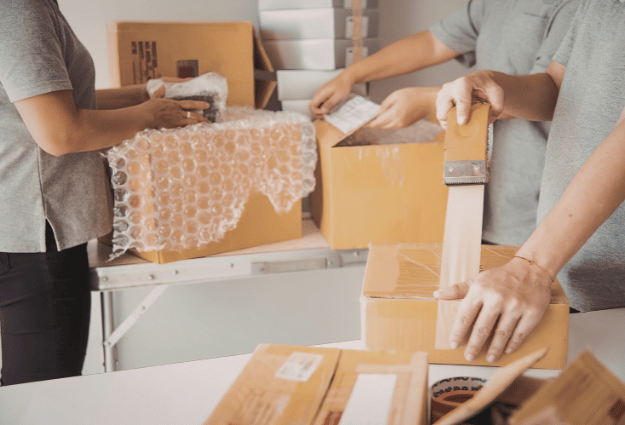
- Bubble wrap is excellent for wrapping fragile items like glassware, ceramics, and electronics. It provides a thick, shock-absorbing layer.
- Packing paper is great for wrapping delicate items and filling gaps inside boxes. It’s acid-free, so it won’t stain or discolor your things the way newspaper can.
- Packing peanuts are useful for filling empty space inside containers so items don’t shift during transport or while sitting in storage.
Use a combination of these materials based on what you’re packing items into. The goal is to eliminate movement inside each box so nothing rattles around.
Vacuum Sealed Bags for Clothing and Fabrics
Vacuum-sealed bags are a game-changer for clothing, bedding, and soft goods. They compress bulky items down to a fraction of their size, helping you save space while also creating an airtight seal that keeps out moisture, dust, and pests.
They’re especially useful for seasonal items like winter coats and extra blankets that take up a lot of room. Just make sure fabrics are clean and completely dry before sealing them up.
Silica Gel Packs for Moisture Protection
Tossing a few silica gel packs into your boxes and bins is a simple but effective way to prevent damage from moisture. These small packets absorb excess humidity inside sealed containers, helping to prevent mold and keep items dry.
They’re inexpensive and easy to find at most home goods or craft stores. Use them in boxes with paper documents, clothing, electronics, or anything else sensitive to humidity.
How to Pack Fragile and Delicate Items
Breakables need extra attention, especially for long-term storage where boxes may be stacked, shifted, or bumped over time. Curious about how safe your things really are in a storage facility? Check out our guide on are self-storage units safe for peace of mind.
Glassware, Dishes, and Breakables
- Wrap each piece individually with bubble wrap or packing paper.
- Place heavier items on the bottom and lighter, more delicate items on top.
- Fill any remaining empty space in the box with packing peanuts or crumpled paper.
- Mark boxes clearly as “FRAGILE” so you (or anyone helping you) know to handle them with care.
- Use dish-pack boxes or cell dividers if you have a large collection of glassware.
Paper Documents and Photos
Paper documents and photographs are especially vulnerable to moisture, heat, and light. Here’s how to protect them:
- Place documents in acid-free folders or sleeves.
- Store them upright in plastic bins rather than cardboard to prevent mold and moisture damage.
- Avoid using rubber bands or paper clips, which can leave marks or cause tearing over time.
- For irreplaceable family photos and important records, consider making digital backups as an extra layer of protection.
Storing Furniture, Mattresses, and Appliances
Large items take up the most space and often need the most preparation. A little extra effort here goes a long way toward keeping your furniture and appliances in great shape.
Preparing Heavy Furniture and Wooden Furniture
Heavy furniture like dressers, desks, and bookshelves should be cleaned and dried before going into storage. For wooden furniture, apply a coat of furniture polish or wax to protect against drying and cracking.
- Remove any detachable legs, shelves, or hardware and store them in labeled bags.
- Wrap pieces in moving blankets or furniture pads rather than plastic wrap, which can trap moisture and lead to mold.
- Keep wooden furniture off the floor using pallets or risers to promote air circulation underneath.
Mattresses, Appliances, and Large Items
Mattresses should be stored flat if possible, or upright using a mattress storage bag for protection. Avoid placing items on top of a stored mattress, as this can permanently damage the springs and shape.
For appliances like refrigerators and washers:
- Clean and dry them thoroughly. Make sure they are completely dry inside and out.
- Leave doors slightly ajar to allow air circulation and prevent mold and mildew.
- Wrap cords and secure any loose parts.
If you’re looking for a convenient place to keep all of these larger items, explore our mini storage units in Walla Walla to find a size that fits your needs.
Smart Strategies to Save Space in Your Storage Unit
Getting the most out of your storage space comes down to smart packing and organization. A few simple strategies can make a big difference in how much you can fit and how easy it is to access your things later.
Filling Empty Space and Stacking Wisely
Every inch counts. When placing items in your unit, think vertically:
- Place the heaviest boxes and bins on the bottom and lighter ones on top.
- Fill gaps between large items with smaller boxes, bags, or soft goods.
- Use the space inside dressers, appliances, and luggage to store smaller items like clothes, linens, or holiday decorations.
Keep a small walkway down the center or along one side so you can access items in the back without moving everything.
Using Luggage and Containers Creatively
Don’t let your suitcases and luggage sit empty in storage. Pack them full of clothing, shoes, or other soft items. The same goes for hampers, baskets, and any hollow containers. This is a simple trick to maximize your space while keeping your stuff organized.
Clear Labeling and Organization
Clear labeling is your best friend. Label every box on at least two sides with a brief description of the contents. Color-coding by room or category can also speed things up when you need to find something specific.
If you made that detailed list we mentioned earlier, keep a copy at home and one taped inside your unit near the entrance. This makes it easy to locate any item without digging through everything.
Protecting Your Stuff From Moisture, Mold, and Dust
One of the biggest concerns with long-term storage is environmental damage. Whether you’re storing things for a season or for the long haul, taking steps to prevent damage from moisture, mold, and dust will keep your belongings in the best possible shape.
Preventing Mold Growth and Moisture Buildup
Mold thrives in damp, stagnant environments. Here’s how to prevent mold from becoming a problem:
- Make sure everything is clean and completely dry before packing.
- Use silica gel packs or moisture absorbers in sealed bins and boxes.
- Avoid wrapping items in non-breathable plastic for extended periods, as this can trap moisture inside.
- Allow for some air circulation within your unit by not packing items too tightly against the walls.
If you’re storing in an area prone to high humidity, choosing a unit with climate control features can make a real difference in keeping moisture at bay.
Keeping Metal Items and Seasonal Belongings in Good Condition
Metal items like tools, bike frames, and garden equipment are especially prone to rust. Wipe them down with a light coat of oil or rust inhibitor before storing. Wrap them in cloth or place them in sealed bins for added protection.
For seasonal items like camping gear, sports equipment, and holiday decorations, give everything a good cleaning and make sure nothing is damp before boxing it up. Store these items toward the front of your unit for easy access when the season rolls around. Wondering if your things will stay secure? Our facility features 24-hour surveillance, electronic gate access, and a state-of-the-art locking system to help keep your belongings safe.
Frequently Asked Questions About Packing for Storage
How long can I store items in a storage unit?
You can store items for as long as you need, whether it’s a few months or several years. The key is proper preparation. Items packed with the right materials and techniques will stay in good condition, whether you’re planning for a short-term stay or an extended one. Just make sure to check on your unit periodically and keep your account in good standing.
What items require special preparation for long-term storage?
Certain items require extra care before going into storage. For example, wooden furniture should be polished, mattresses need protective covers, and appliances must be cleaned and dried inside and out. Clothing should be laundered and stored in breathable bags or vacuum-sealed containers. Paper documents and photos need acid-free protection and should be kept in moisture-resistant bins.
Does Dell RV & Mini Storage offer climate control options?
If you’re concerned about temperature and humidity, you’ll want to look into climate-controlled storage options. Climate control helps regulate the environment inside your unit, which can be especially helpful for sensitive items like electronics, antiques, and fabrics that can suffer in extreme heat or cold.
Should I use cardboard or plastic containers for storing holiday decorations?
For holiday decorations, plastic containers are typically the better choice. They’re more durable, resist moisture, and stack neatly. Cardboard can weaken over time and doesn’t protect as well against dust or pests. If you have fragile ornaments, wrap each one individually with bubble wrap or packing paper inside the bin for extra security.
How do I keep my belongings secure during short-term or long-term storage?
Keeping your belongings secure starts with choosing a trusted facility. Look for features like gated access, 24-hour surveillance, and quality locks. At Dell RV & Mini Storage, we provide a lock for you when you rent a unit, so you don’t need to bring your own. You can also visit our frequently asked questions page to learn more about our security features and access hours.
Can I store items from my basement or room that I don’t need right now?
Absolutely. A storage unit is a great place to keep things from your basement, spare room, or garage that you don’t use on a daily basis. Things like old furniture, archived documents, seasonal clothes, and family keepsakes are all common items people store. Just make sure everything is clean, dry, and properly packed to keep it in great shape until you need it again.


