
Organizing a storage unit can feel overwhelming, but with the right storage unit organization ideas, you can transform your cluttered space into an efficient, accessible area. Whether you’re storing seasonal items, furniture, or personal belongings, proper organization helps you maximize your storage space while keeping everything in good condition and easily accessible.
TLDR: Key Storage Unit Organization Tips
• Plan first, then pack – Create an inventory list and layout plan before moving items into your unit
• Use vertical space – Install shelving units and stack containers to maximize your storage capacity
• Choose clear containers – Transparent bins and proper labeling systems make finding items effortless
• Create access paths – Maintain clear walkways so you can reach any area without moving multiple items
Ready to Put These Organization Ideas to Work?
Now that you have these proven storage unit organization strategies, it’s time to put them into action! Whether you need a compact unit for seasonal items or a larger space for household belongings, proper organization will help you make the most of any size storage unit.
Ready to get started? Explore our rental options and find the perfect unit size for your organizational needs. Our secure, accessible units provide the ideal foundation for implementing these smart storage solutions.
Essential Storage Unit Planning Strategies
Creating a Clear Plan Before You Start
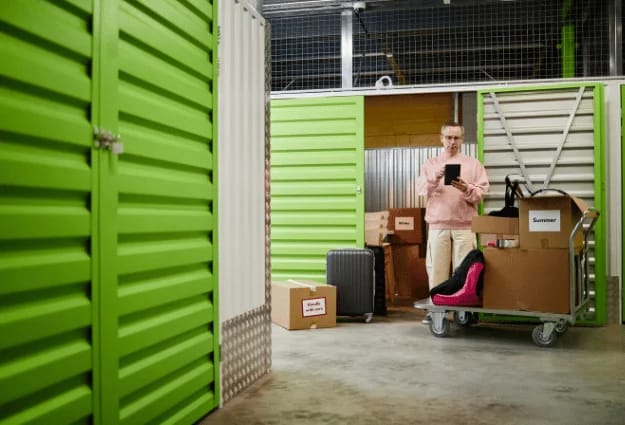
Before moving anything into your unit, develop a clear plan for your layout. Start by creating an inventory list of all items you’ll be storing, grouping similar belongings together. This inventory will serve as your roadmap and help you easily find what you need later. Consider which items you’ll access frequently and plan to store these near the front of your unit.
When planning your storage unit organization, think about the flow of movement within your space. Leave a clear pathway down the center or along one side so you can access items without having to move everything around. This strategic approach will save you time and frustration in the long run.
Measuring Your Storage Space Effectively
Take accurate measurements of your unit’s dimensions, including height, to understand exactly how much space you’re working with. Many renters forget about vertical space, which is often the key to maximizing storage capacity. Note any obstacles like light fixtures or support beams that might affect your layout.
Use these measurements to plan where larger items will go and how much room you’ll have for smaller containers and boxes. This preparation prevents the common mistake of running out of floor space halfway through your move-in process.
Smart Storage Solutions for Maximum Organization
Utilizing Vertical Space with Shelving Units
One of the most effective ways to maximize your storage unit is by installing shelving units along the walls. These create multiple levels for your belongings and help you utilize vertical space that would otherwise go unused. Metal shelving units are particularly sturdy and can hold heavy items safely.
When setting up shelves, place frequently accessed items at eye level for convenient retrieval. Store heavier items on lower shelves for safety, while lighter boxes and containers can go on higher shelves. This system prevents you from having to move heavy items every time you need something stored above them.
Clear Plastic Storage Bins for Easy Identification
Clear plastic bins are game-changers for storage unit organization. Unlike cardboard boxes, transparent bins allow you to see contents at a glance, enabling quick identification of what’s inside. These bins also stack securely and protect your belongings from dust and moisture buildup.
When using clear plastic storage bins, fill them strategically rather than stuffing them completely full. This makes them easier to handle and prevents items from getting crushed. Label each bin clearly with a label maker or painter’s tape to create a foolproof identification system.
Strategic Floor Space Management
Your floor space is valuable real estate that requires careful planning. Start by placing large items like furniture and appliances against the walls, creating a foundation for your storage layout. These heavy items should form the base of your organization system.
Keep your floor clear in high-traffic areas and create designated zones for different categories of items. This approach prevents your unit from becoming a maze where you have to move multiple items to reach what you need.
Clever Organization Techniques That Work
Grouping and Categorizing Your Belongings
Group items by category and frequency of use to create an intuitive organization system. Store seasonal clothing together in one area, holiday decorations in another, and everyday items you might need access to near the front. This categorization makes it much easier to locate specific items when you need them.
When organizing, think about creating themed zones within your unit. For example, designate one corner for sporting equipment, another area for household items, and a separate space for documents and fragile items. This zoning approach helps you stay organized long-term.
Creating Easy Access Pathways
Maintain clear pathways throughout your unit so you can easily access any area without having to move multiple items. Plan a main walkway that allows you to reach the back of your unit, with smaller paths branching off to different storage zones.
If you need to learn more about our mini storage options in Walla Walla, consider the size that will best accommodate your organizational goals. Larger units provide more flexibility for creating these essential pathways.
Labeling Systems for Quick Identification
Develop a comprehensive labeling system using a label maker or clear, legible handwriting. Label not only individual containers but also shelves and zones within your unit. Consider using a numbering system paired with your inventory list for even more precise organization.
For tech-savvy organizers, consider using QR codes on boxes that link to detailed inventory lists on your phone. This modern approach makes it incredibly easy to track exactly what’s stored in each container without having to open everything.
Seasonal and Speciality Storage Tips
Organizing Seasonal Items and Holiday Decorations
Seasonal items and holiday decorations require special consideration since they’re typically accessed only once or twice per year. Store these items in clearly labeled containers in less accessible areas of your unit, such as high shelves or toward the back.
Use this opportunity to create extra room in your home by storing out-of-season items like winter coats in summer or holiday decorations year-round. Pack these items carefully with packing paper to prevent damage during their extended storage period.
Protecting Fragile Items During Storage
Fragile items need special attention to prevent damage during storage. Use appropriate containers with adequate padding, and avoid placing heavy items on top of delicate belongings. Consider using storage furniture like wardrobes or dressers to protect clothing and breakable items.
When stacking boxes containing fragile items, place them in narrow spaces where they won’t be jostled or knocked over. Always pack fragile items securely with proper cushioning materials to ensure they remain in good condition.
Preventing Moisture Buildup and Damage
Moisture can be a serious threat to stored belongings, so take steps to prevent moisture buildup in your unit. Avoid storing items directly on the floor by using pallets or shelving. Ensure good air circulation around stored items, and consider using moisture-absorbing products in your unit.
Understanding what is self storage and how it works can help you make informed decisions about protecting your belongings. Quality self storage facilities provide climate-controlled options for items particularly sensitive to humidity and temperature changes.
When organizing your unit, remember that proper organization is an investment in preserving your belongings and your peace of mind. Take time to implement these storage unit organization ideas, and you’ll create a system that serves you well for years to come. For questions about security and safety, you might want to learn about whether self storage units are safe for your valuable items.

Frequently Asked Questions
How often should I reorganize my self storage unit?
Plan to reassess your storage organization every 6-12 months, especially when adding new items or changing what you store. Regular maintenance keeps your system functional and helps you identify items you no longer need.
What’s the best way to store boxes in my unit?
Stack boxes with heavier items on the bottom and lighter ones on top. Use uniform box sizes when possible to create stable stacks, and always store boxes on shelves or pallets rather than directly on the floor.
Should I create a map of my storage space layout?
Yes, creating a simple map or diagram of your unit’s layout can be incredibly helpful. Include where different categories of belongings are located and update it when you make changes to your organization system.
What tools do I need for effective storage unit organization?
Essential tools include a label maker, measuring tape, dolly or hand truck, and basic cleaning supplies. Having the right tools makes the organization process much more efficient and professional.
How can I maximize space in a small storage unit?
Focus on utilizing every inch of vertical space with tall shelving units, use vacuum-sealed bags for soft items like clothing and bedding, and choose stackable containers that fit your unit’s dimensions perfectly.
Is it worth investing in quality storage containers and shelves?
Absolutely. Quality containers and shelving units protect your belongings better, last longer, and often provide better space utilization than cheap alternatives. Consider it an investment in protecting your valuable stuff.


